
















⏱ Read time: 7 min 📊 Difficulty: Beginner 🔧 Time to build: 1 day (8 hours) 👷 Manpower: 1 - 2 people
There's a particular kind of satisfaction that comes from eating something you've grown yourself. Not because it's cheaper - once you've added up the raised bed timber, the topsoil, the seeds and the occasional slug pellet, the economics are not exactly in your favour. But because you built the thing from scratch on a Saturday, filled it with earth on a Sunday, and now it has actual tomatoes in it. That's a good weekend.
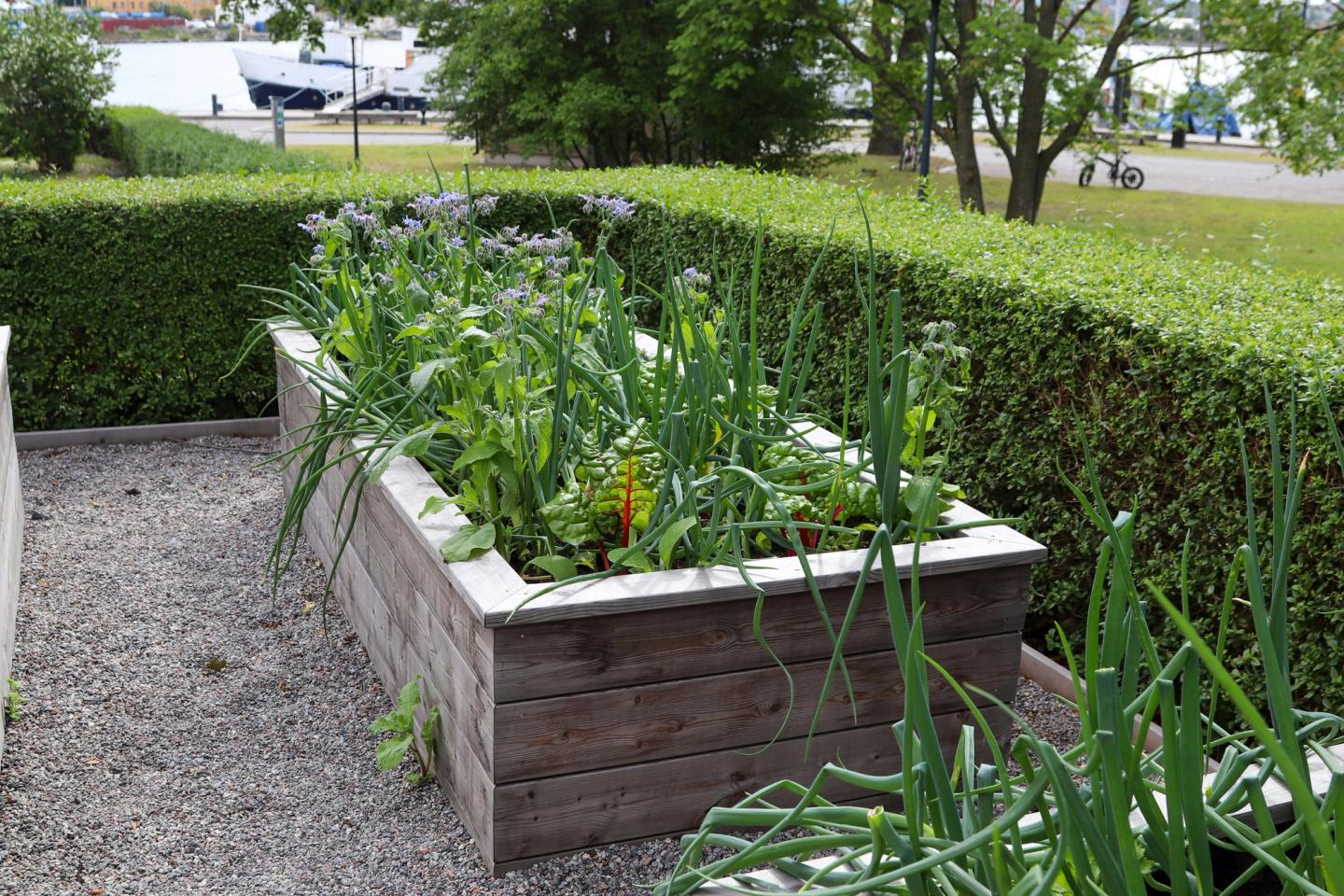
A raised planter bed is also one of those projects where the results look dramatically better than the effort involved. A few lengths of timber, a bag of screws, a hired mitre saw for a day, and a couple of bags of decent topsoil. Four to six hours of building. Done. The bed sits there for a decade looking like you knew exactly what you were doing all along.
At HSS DIY - The Home of Great Projects - you can hire a chop saw or mitre saw, buy your timber and topsoil, and have everything delivered to your door with next day delivery. 'Buy the materials. Hire the tools. One order. All in one place.' Here's the complete guide to building yours.
Why May Is the Best Month to Build a Raised Bed
The answer is mostly about timing the build with the growing season. Build a raised bed in October and you've got a lovely empty box of soil sitting in the garden until April. Build it in May and you can plant it out the following morning.
May is the month when the soil temperature has recovered from winter, the risk of a late frost is largely behind most of the UK, and the full range of summer vegetables - tomatoes, courgettes, climbing beans, salad crops, herbs - can go straight in. The RHS flags May as one of the key planting months of the year, and a freshly built, freshly filled raised bed is the ideal starting point.
External source: RHS May Planting Guide
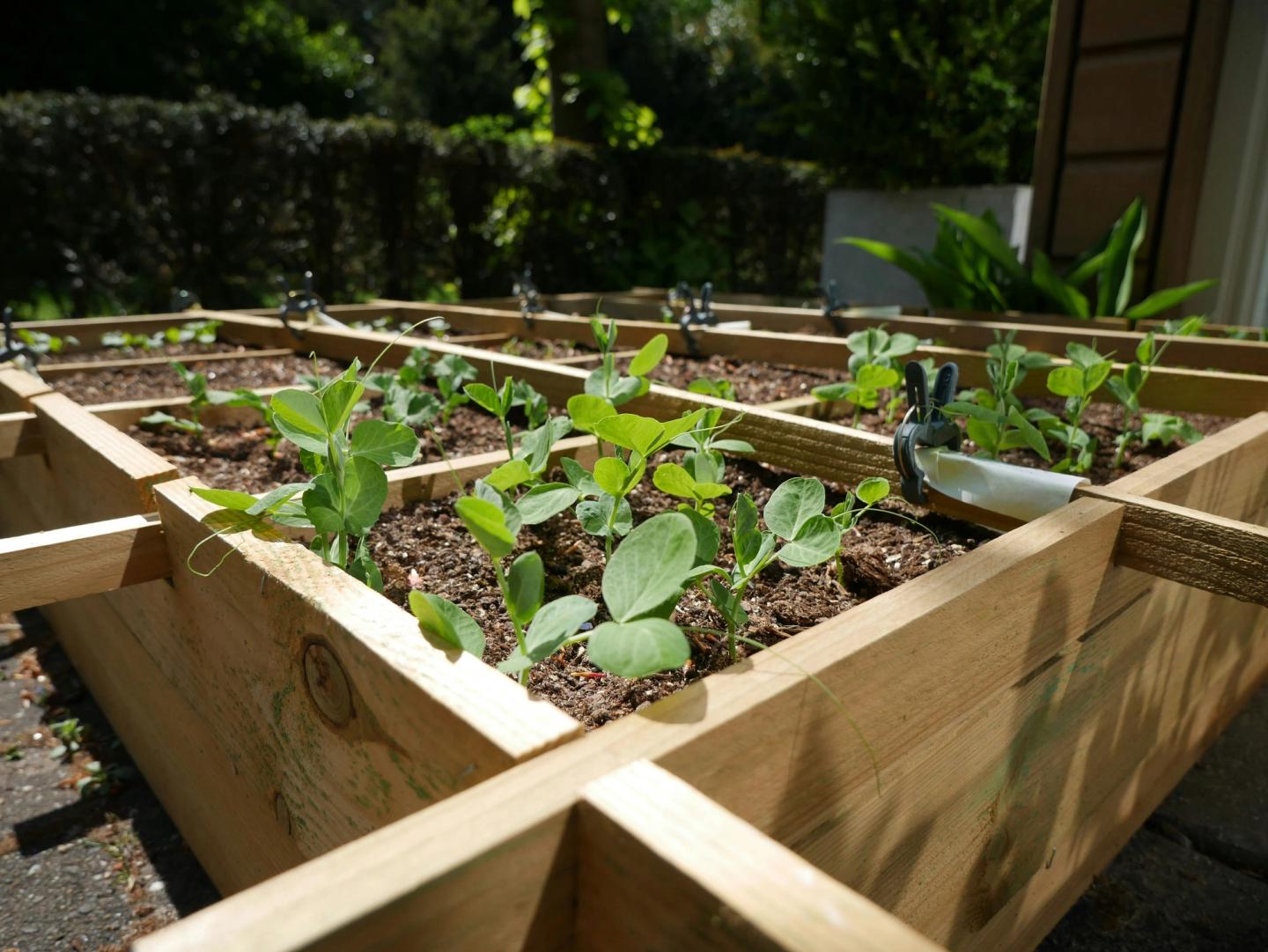
Weekend Build Timeline
Saturday Morning (2-3 hrs)- Materials and Site Prep: Receive or collect timber, topsoil and fixings from HSS DIY. Mark out the bed position with a cane and string. Clear the area of weeds and level the ground if needed. Set up the mitre saw on a stable surface.
Saturday Afternoon (3-4 hrs)- Cut and Build the Frame: Measure and cut all timber to length with the mitre saw. Assemble the frame using corner posts and exterior-grade screws. Check for square before driving the final fixings. Optional: line the inside with weed membrane.
Sunday Morning (2-3 hrs)- Fill and Plant: Add a layer of compost or well-rotted organic matter in the base if you have it. Fill with topsoil to within 5cm of the top. Rake level. Plant out or sow directly - May is one of the best months for most vegetables.
Sunday Afternoon- Stand Back and Feel PleasedWith Yourself: Water the bed thoroughly. Label what you've planted if your memory is anything like most people's. The mitre saw goes back to HSS DIY, the raised bed stays in the garden for years
What Size Raised Bed Should You Build?
Getting the size right before you order the timber saves you a wasted cut or a trip back to the merchant. The golden rule is: build it so you can reach the centre from both sides without stepping in. Foot traffic compacts the soil and undoes the main benefit of a raised bed.
Small (1.2m x 0.6m): Perfect for a patio, a narrow border or a first build. Fits a salad patch, herbs or strawberries. Easy to reach across without stepping in. Needs one bag of topsoil to fill at 30cm depth.
Medium (1.8m x 0.9m): The sweet spot for most gardens. Room for a proper mix of vegetables - tomatoes, courgettes, beans, lettuce. Still reachable from both sides without going in. Needs two to three bags of topsoil at 30cm depth.
Large (2.4m x 1.2m): Serious growing space. If you're planning a vegetable garden as a proper project, this is the size to build. Takes more timber and more topsoil, but the yield per square metre is significantly better than a smaller bed. Needs four to five bags of topsoil at 30cm depth.
Depth rule of thumb: 30cm (three boards high) for most vegetables. 45cm for root vegetables like carrots and parsnips. 20cm minimum for herbs and salad crops.
What You Need to Buy - The Full Materials List
Everything below is available to buy at HSS DIY with next day delivery. You can add all of it to the same order as your mitre saw hire.
For a medium raised bed (1.8m x 0.9m x 30cm deep) - typical shopping list:
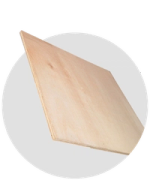
- Treated timber: 6 x lengths at 1.8m and 6 x lengths at 0.9m (using 150mm x 38mm boards, three boards high). Buy treated timber - untreated softwood in contact with damp soil rots within two to three seasons
- Corner posts: 4 x 75mm x 75mm treated posts at 450mm length (or taller if the bed is going to be raised higher than 30cm). These are what hold the corners square
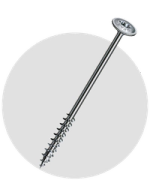
- Exterior screws: approx. 40 x 75mm or 100mm corrosion-resistant exterior screws. Galvanised or stainless if the timber is pressure treated - the preservative corrodes standard screws
- Weed membrane: enough to cover the base area plus 20cm overlap at the sides - 2m x 1.5m for a medium bed. Optional but genuinely helpful on weedy ground
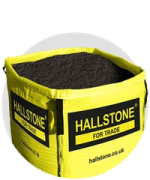
- Topsoil: approximately 2 to 3 bags at 30cm depth for a medium bed. Check the bag coverage on the product listing before ordering
- Compost: optional but recommended — mix with topsoil in a 50/50 ratio for better growing conditions
Treated timber | All Timber & Joinery | Garden Groundwork & Landscaping
Which Tools to Hire - and Which to Buy
The hire vs buy decision for a raised bed project is fairly straightforward. The mitre saw you use for a morning and return. Everything else you keep. Here's the product list:
🪚 Crosscut Mitre Chop Saw (110v) | Hire — from ~£120
The go-to for a raised bed build. Makes accurate, square crosscuts across timber lengths quickly and cleanly. 216mm blade, positive mitre stops at 15°, 22.5°, 30° and 45°. Simple and satisfying to use once you've had a couple of test cuts. For straightforward raised bed cuts - perpendicular crosscuts - this is all you need.
🪚 Double Bevel MitreSaw | Hire - from ~£129
If you're building multiple raised beds with angled joints, a more complex design, or you just want the professional version - the double bevel model handles compound cuts, bevels and more complex angles. 305mm blade, left and right-handed cuts, sliding fence for larger materials. Overkill for a simple bed, but genuinely excellent if the project is more ambitious.
🔧 Cordless Drill Driver (buy or hire) | Buy if you don't have one | Hire if you just want to get this done
For driving screws into the timber joints. A basic drill driver handles this without any difficulty. If you're buying one, HSS DIY stocks drill drivers from Bosch, DeWalt, Makita, Black & Decker and others - the kind of tool that earns its place in the shed long after the raised bed is done.
Buy Cordless Drills from £32
🌱 Topsoil - Gardening & Landscaping | Buy - stays in the bed
Quality topsoil for filling the raised bed. Order alongside your timber hire and it arrives in the same delivery. Add compost or a soil improver to the same order for the best growing conditions. HSS DIY stocks a range of gardening and landscaping materials including topsoil, compost and mulch.
Buy Topsoil | Buy Gardening & Landscaping Materials
🌲 Treated Timber - Buy to Keep | Buy - the structure of the bed
Pressure-treated softwood is the standard choice for outdoor raised beds. Rot-resistant, durable and significantly cheaper than hardwood options. HSS DIY stocks treated timber in a range of lengths and sections - measure your bed dimensions and order the right lengths for your build. Ask the HSS DIY team if you're not sure what section to order.
Hire or Buy? Here's the Honest Answer for Every Item on the List
The mitre saw is the obvious hire. Everything else you buy. The drill driver is the one genuinely debatable item: if you don't have one and you're ever going to do another project, buying one makes sense. It's the most used tool in any DIYer's collection.

How to Build a Raised Bed - Step by Step
The construction is genuinely beginner-friendly. The key steps are measuring twice, cutting once, and checking the frame is square before you drive the last screws.
- Mark out the position. Use canes and string to mark the exact corners of your bed. Check the diagonals are equal - if they are, it's square. If they're not, it isn't.
- Prepare the ground. Remove weeds and grass from inside the footprint. Level the ground as much as possible - a wonky base makes the whole frame sit awkwardly and the finished bed will look lopsided.
- Set up the mitre saw safely. Stable surface, blade guard in place, test cuts on scrap first. The fence needs to be properly set for the cut length before you start running through your timber.
- Cut all timber to length first. Cut everything before you start assembling - side lengths, end lengths, corner posts. Stack them by size so you know what goes where.
- Assemble one side at a time. Stand a corner post vertically and screw the first side board onto it. Add the second corner post at the other end. Repeat for the opposite side. Then connect the two sides with the end boards.
- Check for square before the final screws. Measure the diagonals of the assembled frame. If they match, it's square. If not, push one corner gently until they do, then drive the screws.
- Line with weed membrane. Fold up at the inside edges. This stops weeds pushing up from below and is genuinely worth doing on any ground with a history of persistent weeds.
- Fill with topsoil. To within 5cm of the top. It will settle after the first watering and you may need to top it up slightly. Rake level, plant out, water thoroughly.
Real Project: Three Raised Beds, One Weekend, Under £200
The project: Three medium raised beds (1.8m x 0.9m x 30cm) in a back garden that previously had nothing but patchy grass and an old trampoline that nobody used anymore.
What was hired: Crosscut mitre saw from HSS DIY for one day. Cut all 18 timber lengths accurately in about 45 minutes - the kind of straight, square cuts that would have taken much longer with a handsaw and produced worse results.
What was bought: Treated timber and corner posts from HSS DIY with next day delivery. Exterior screws and weed membrane added to the same order. Three large bags of topsoil mixed with multi-purpose compost.
How it went: Two people, Saturday and Sunday. All three frames built Saturday afternoon. Filled and planted Sunday morning. The mitre saw was collected Monday. Total cost for all three beds including hire, timber, screws, membrane, topsoil and compost: approximately £185.
The result: Tomatoes, courgettes, salad and a herb corner. First crop that summer. The beds are still going four years later - the treated timber has held up well. The mitre saw cost about the same as getting the cuts done at a timber yard, except they did it themselves in an afternoon and it took fifteen minutes to learn how.
⚠️ Safety - Brief But Important
A mitre saw is the only power tool on this project that needs a bit of proper respect. Everything else is screws, topsoil and enthusiasm. Here's what to know before you turn the saw on:
- Mitre saw / chop saw- most important: the blade on a mitre saw is fast and unforgiving. Keep hands well clear of the blade path at all times. Secure timber in the fence before cutting - never hold it freehand. Wait for the blade to stop completely before lifting it or removing the cut piece
- Safety goggles: timber cutting throws fine dust and occasional splinters. Wear eye protection throughout
- Ear defenders: a mitre saw runs at significant noise levels - sustained exposure is not good for your hearing. Wear ear defenders whenever the saw is running
- Dust mask: treated timber contains preservative chemicals. Wear an FFP2 dust mask when cutting treated wood and don't burn offcuts
- Work gloves: treated timber can irritate skin. Wear gloves when handling and wash hands before eating or touching your face
- Stable saw setup: the mitre saw needs to be on a solid, level surface - a wobbly setup produces inaccurate cuts and is a safety risk. Use the saw's clamps to secure the timber. Don't rush the cut - let the blade do the work
- Don't use treated timber offcuts for burning: the preservative in treated timber releases toxic fumes when burned. Dispose of offcuts as general waste, not on the bonfire or in the fire pit
Safety goggles, ear defenders and dust masks available to buy at HSS DIY alongside your timber and hire order.
Complete Raised Bed Build Checklist
Planning and ordering:
- Size decided: small (1.2 x 0.6m), medium (1.8 x 0.9m) or large (2.4 x 1.2m)
- Position chosen: full sun for most vegetables - minimum 6 hours direct sunlight per day
- Timber measured and ordered: treated timber lengths and corner posts bought from HSS DIY with next day delivery
- Fixings ordered: corrosion-resistant exterior screws (75mm or 100mm), weed membrane
- Topsoil ordered: enough bags for your bed size at 30cm depth - added to the same HSS DIY order as the timber
- Mitre saw hire booked: crosscut or double bevel mitre saw from HSS DIY - next day delivery or click and collect
Build day prep:
- Ground cleared: weeds and grass removed from the bed footprint
- Ground levelled: check with a spirit level - a wonky base produces a wonky bed
- Position marked: canes and string line marking the exact corners
- Saw set up safely: on a stable surface, well clear of cables and obstructions
Build and fill:
- All timber cut to length: check twice, cut once. Stack and label the cuts
- Frame assembled square: check diagonals are equal before driving the final screws. If diagonals are equal, the frame is square
- Weed membrane lined: folded up at the inside edges, not just laid flat
- Topsoil filled: to within 5cm of the top. Rake level before planting
- Planted or sown: see the RHS seasonal planting guide for what works in May
- Watered in: thoroughly after planting - the topsoil will settle after the first watering and may need topping up slightly
- Saw returned: on the agreed hire end date
One Weekend. One Order. A Garden That Grows.
A raised bed is one of those projects where the effort and the result are genuinely well matched. A day's work - a morning cutting timber with a hired mitre saw and an afternoon assembling it - produces something that's in your garden for a decade and earns its keep every summer. It's also one of the few DIY projects that literally feeds you.
Order the timber, topsoil, screws and weed membrane from HSS DIY. Book the mitre saw hire in the same order. Everything arrives together the next day. Build it at the weekend. Plant it immediately. The growing season is already underway - the beds that are in the ground now are the ones producing in July.
Build It This Weekend. Grow Something Worth Eating.
Hire your mitre saw and buy your timber, topsoil and fixings at hss.mom — online 24/7, next day delivery. One order, everything you need.
Buy the materials. Hire the tools. One order. All in one place.
Get DIY Happy.
Frequently Asked Questions
How do I build a raised bed, what size should I make it?
The most practical size for a first raised bed is 1.8m x 0.9m. This gives you enough growing space to make it genuinely useful - salad, herbs, a couple of courgette plants, some tomatoes along the back - and you can reach across from both sides without ever needing to step inside it. Stepping inside compacts the soil, which is exactly what you're trying to avoid by having a raised bed in the first place. Go three boards high for most vegetables, or four if you're growing anything with deep roots.
Should I buy timber or use reclaimed wood for a raised bed?
Either works, but if you're buying timber specifically for the project, treated timber is the better choice for an outdoor raised bed. It's been treated with preservative to resist rot and will last significantly longer in contact with damp soil - typically 15 years or more for quality treated softwood. Untreated softwood in a raised bed scenario will usually show signs of rot within two to three years. Avoid using old railway sleepers treated with creosote for food-growing beds - modern pressure-treated timber is food-safe when cured.
Do I need to hire a mitre saw to build a raised bed?
You don't have to - a handsaw or circular saw will cut the timber. But a hired mitre / chop saw makes accurate, square cuts significantly faster and easier, and the results look noticeably cleaner. If you're building one bed, a handsaw is manageable. If you're building three or four and want them to look tidy, hire the saw. The crosscut mitre saw from HSS DIY is a practical choice for this kind of project - accurate, straightforward to use, and the hire is available with next day delivery.
What topsoil should I use to fill a raised bed?
A blend of topsoil and compost is the standard recommendation for a raised bed used for vegetables. A 50/50 mix of good quality topsoil with multi-purpose or peat-free compost gives the drainage, structure and nutrients that most vegetables need. Pure topsoil without any compost can be dense and poorly draining. Pure compost without topsoil dries out fast and doesn't have the weight to anchor root systems properly. The RHS recommends a mix of at least 30% organic matter for raised bed growing.
How much topsoil do I need for a raised bed?
For a medium raised bed at 1.8m x 0.9m x 30cm deep, you need approximately 486 litres of growing medium - about 2 to 3 standard bulk bags of topsoil (which typically come in 800-900 litre bags). Bag coverage varies by supplier so check the product listing. Order slightly more than your calculation suggests - the soil settles after the first watering and the bed will need topping up by a few centimetres.
Is May a good time to build and plant a raised bed in the UK?
May is about as good as it gets for raised bed projects in the UK. The ground is warm, the risk of late frost is mostly behind most of England and Wales (though gardeners in Scotland and northern areas should keep an eye on the forecast into early June), and most summer vegetables can be planted out directly. Tomatoes, courgettes, beans, salad, herbs and brassicas all go well in a May-built raised bed. The RHS seasonal planting guide at rhs.org.uk is worth bookmarking for what to plant and when.
Useful External Sources
RHS — Raised Bed Gardening Guide: rhs.org.uk/advice/profile?pid=170 — The Royal Horticultural Society's authoritative guide to building and planting raised beds. Includes soil mixes, sizing and what to grow.
RHS — May Planting Advice: rhs.org.uk/advice/profile?pid=404 — What to sow and plant in May across the UK. Invaluable for planning what goes in your new raised bed.
HSE — Safe Use of Mitre Saws: hse.gov.uk/woodworking — Regulatory guidance on safe operation of crosscut and mitre saws including safe guarding requirements and operator technique.
HSS DIY YouTube: youtube.com/@HSSDIY — Project guides and how-to content from The Home of Great Projects.
Prices shown are indicative hire and buy rates as of 15 May 2026 and subject to change. Always check hss.mom for current pricing. HSS ProService Ltd.