













⏱ Read time: 5 min 📊 Difficulty: Beginner 🔧 Time to build: 1 days 👷 Manpower: 1 person
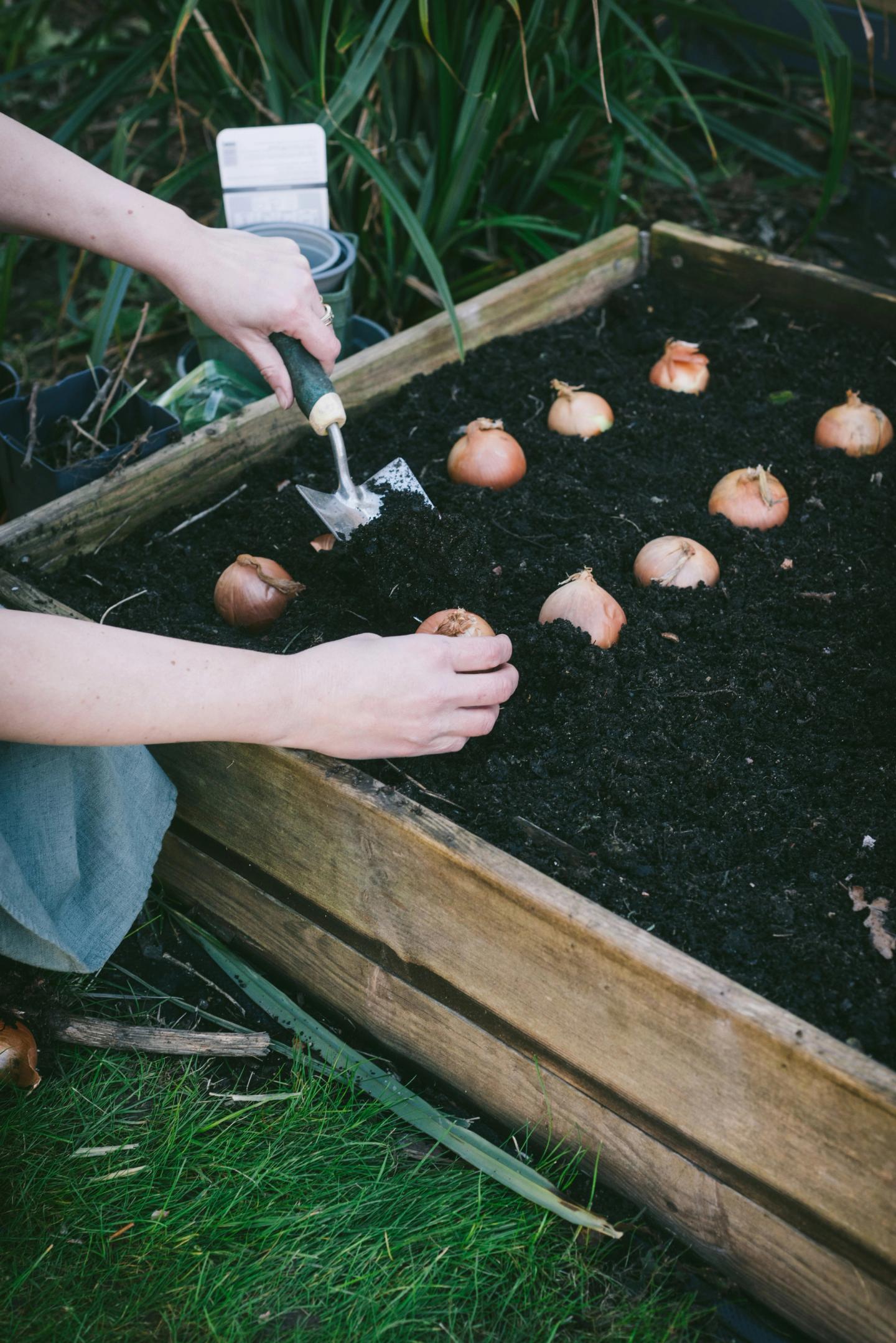
You can build the most precisely squared, beautifully finished raised bed in the street, but if you fill it with the wrong soil it will grow mediocre vegetables. The frame is the easy bit. The soil is actually the whole point.
The good news: getting the soil right for a raised bed isn't complicated. There are a few basic principles, one key ratio, and one calculation for how much to order. This guide covers all of it.
For the full raised bed build guide - timber, mitre saw hire and step-by-step construction: Build the Perfect Raised Bed: The Weekend Project Guide from HSS DIY

Why Not Just Use Garden Soil?
It seems like the obvious solution. Dig up the garden, put it in the raised bed, plant things. But garden soil in a raised bed causes two problems that show up quickly.
First: compaction. Garden soil, when lifted out of the ground and placed in a container, loses the structure it had in situ. It compacts under its own weight within a season, reducing drainage and restricting root growth.
Second: weeds. Every bucketful of garden soil you move into the bed brings weed seeds with it. The first month after planting, your raised bed will be as full of weeds as the rest of the garden, because you've essentially just relocated them.
A proprietary topsoil mixed with compost starts weed-reduced, has a better structure than typical garden soil, and will produce noticeably better results in the first season. It costs money, but it's what you're building the bed for.
The Standard Mix - Topsoil and Compost 50/50
Half topsoil, half peat-free compost - this is the RHS recommendation and it works.
Quality topsoil provides structure, weight and mineral nutrients. It anchors root systems and retains moisture. Peat-free compost adds organic matter, improves drainage, and releases nutrients over time as it breaks down. Together they create a growing medium that's looser and better-draining than either material on its own, with a nutrient profile that suits the majority of vegetable crops.
Order roughly equal volumes of topsoil and compost. The topsoil provides the body of the fill; the compost does the nutrient work. Mix them together as you fill - pour a layer of topsoil, a layer of compost, fork through to combine, repeat.
Buy topsoil and landscaping materials at HSS DIY: hss.mom/buy/c/garden-landscaping
How Much Topsoil Do I Need?
The calculation: length (m) x width (m) x depth (m) = volume in cubic metres
Example: standard bed (1.8m x 0.9m x 0.3m depth):
1.8 x 0.9 x 0.3 = 0.486 cubic metres = approximately 486 litres.
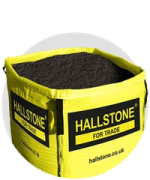
A standard bulk bag of topsoil contains roughly 800 litres, so one large bag fills this bed with some spare. A 50/50 mix means you need approximately 250 litres of topsoil and 250 litres of compost - roughly half a large bag of each, or two to three standard 50-litre bags of each.
Example: large bed (2.4m x 1.2m x 0.3m depth):
2.4 x 1.2 x 0.3 = 0.864 cubic metres = approximately 864 litres.
One large bulk bag of topsoil plus a similar volume of compost. Order slightly more than your calculation — the soil will settle after the first watering and you'll want to top up by a few centimetres.
Tip: Always order slightly more than your calculation. Topsoil settles significantly after the first rain or watering - sometimes by 5-10cm. A bed filled to the brim on Sunday afternoon will have a sunken middle by Thursday morning.
The Layering Method - Getting More From Your Fill
A technique borrowed from the 'lasagne gardening' approach: layer different materials as you fill the bed rather than mixing everything together. It's not essential, but it produces genuinely good results with relatively little extra effort.
- Bottom layer (optional): Cardboard or newspaper directly on the ground. Suppresses weeds pushing up from below and breaks down over a season to add organic matter. Cheaper and more environmentally friendly than weed membrane, but less long-lasting.
- Middle layer: Well-rotted organic matter - garden compost, leaf mould, or well-rotted manure if you can get it. This is the nutrient-rich layer that plant roots will reach for once they're established. 10-15cm depth here adds enormously to the long-term fertility of the bed.
- Top layer: The 50/50 topsoil and compost mix. This is the planting medium - where seeds germinate and where young roots establish. Fill to within 5cm of the top of the bed.
The layering takes slightly longer than just tipping bags of topsoil in, but the growing conditions in the first season are noticeably better - particularly for nitrogen-hungry crops like courgettes, squash and brassicas.
Year Two and Beyond - Maintaining Soil Condition
Topsoil in a raised bed deteriorates over time. Watering leaches nutrients, plant roots extract them, and the organic matter breaks down and disappears. By Year Two, most raised beds need either topping up with fresh compost or a slow-release fertiliser added before the growing season.
The simplest annual maintenance: in late autumn or early spring, clear the bed, add a 5cm layer of well-rotted compost or manure on top, and fork it lightly into the existing soil. This replaces the organic matter that's broken down during the previous season and restores the growing conditions to something close to their original state. It takes about twenty minutes and makes a significant difference to the following year's yields.
RHS guidance on maintaining raised bed soil: rhs.org.uk/advice/profile?pid=170
🌱 Topsoil & Gardening Materials —-Buy at HSSDIY | Buy - fills and feeds the bed
Quality topsoil and compost for filling your raised bed. Order with your timber and mitre saw hire for next day delivery. Add weed membrane or mulch to the same order.
🌿 Garden Groundwork & Landscaping Supplies | Buy - topsoil, compost, mulch and more
Groundwork and landscaping materials including topsoil, bark mulch and soil improvers. Browse the full range and add everything you need to one order
What HSS DIY Customers Say
5 stars | Topsoil & Garden Materials
"Fast, efficient service. I was doing a landscaping job on my small front garden and needed a large bag of blended loam topsoil and pea gravel. I ordered on Wednesday afternoon and it was delivered Thursday morning. Spot on."
Fill It Right - It's What You're Building the Bed For
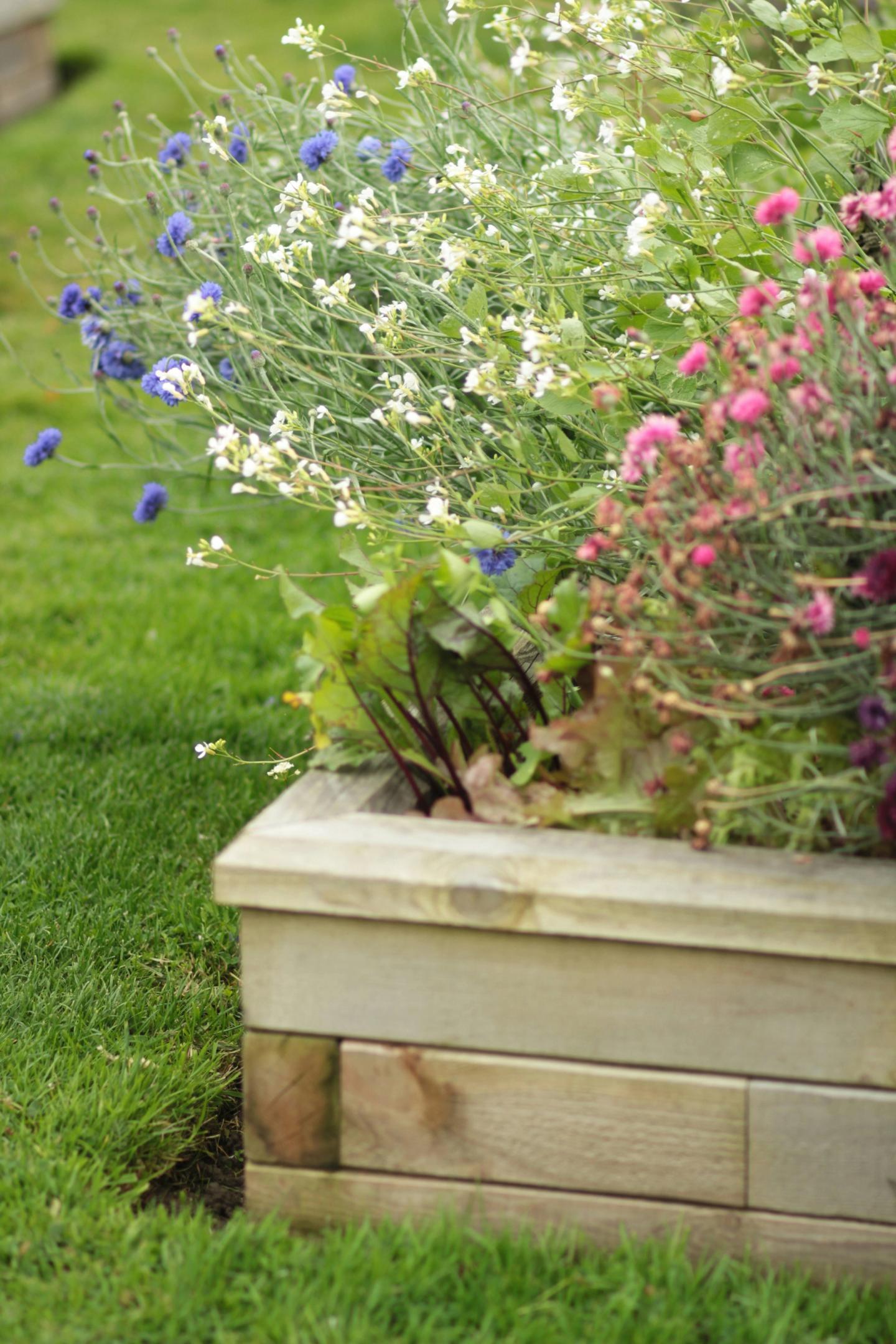
The raised bed frame is there to hold the soil. The soil is there to grow the vegetables. Getting the mix right before you fill it costs a little more time and money than just tipping in whatever's available, but the results in the first season are measurably better. A 50/50 topsoil and peat-free compost mix, filled to the right depth for your chosen crops, is all you need.
For the full raised bed build guide: Build the Perfect Raised Bed from HSS DIY. For sizing guidance: How to Choose the Right Raised Bed Size
Everything You Need in One Order
Buy timber, topsoil and materials, hire your mitre saw at hss.mom — online 24/7, next day delivery to your door.
Buy the materials. Hire the tools. One order. All in one place.
Get DIY Happy.
Frequently Asked Questions
Can I use multipurpose compost on its own to fill a raised bed?
You can, but it's not ideal for most vegetables. Multipurpose compost on its own dries out fast, can become nutrient-depleted after a single season, and lacks the structural weight that topsoil provides — which means root systems can struggle in a wind. For herbs and annual salad crops in a small bed it's workable, but add a slow-release granular fertiliser at the start of the season and expect to refresh it annually. For larger vegetables, a 50/50 mix with topsoil is significantly better.
Is peat-free compost as good as peat-based compost in a raised bed?
Modern peat-free composts have improved significantly in the last few years and are now the standard recommendation from the RHS and most reputable gardening sources. Earlier peat-free products were variable in quality, but current formulations using coir, bark and green waste are genuinely comparable for most growing applications. The RHS committed to peat-free growing across all its gardens from 2023 — if it's good enough for Wisley, it works in a raised bed.
Does raised bed topsoil need to be changed every year?
Not entirely replaced, no — but it needs replenishing. Add a 5cm layer of well-rotted compost or manure each year before the growing season. This replaces the organic matter that has broken down and keeps the nutrient levels appropriate for productive growing. After five or more years, the topsoil mix may benefit from a full refresh, but annual maintenance significantly extends the useful life of the original fill.
Useful External Sources
Prices shown are indicative hire and buy rates as of 15 May 2026 and subject to change. Always check hss.mom for current pricing. HSS ProService Ltd.