


⏱ Read time: 7 min 📊 Difficulty: Beginner 🔧 Time: 4-8 hours👷 Manpower: 1 person
Every spring, the patio gets the same treatment. Out comes the pressure washer, on goes the garden hose, and half an hour later everything looks clean for about three weeks before the algae quietly resumes business as usual.
The problem is not the pressure washer - it's excellent at shifting surface dirt and loose soiling. The problem is that algae, grease, deep-set moss and years of baked-on grime aren't really a 'blast it with water' problem. They're a heat problem. And that's where a hired steam cleaner makes the difference that a pressure washer simply can't.
This guide explains what an industrial steam cleaner actually does that a pressure washer doesn't, which jobs call for which machine (spoiler: sometimes both), how much it costs to hire one from HSS DIY, and what you need to know before you point hot steam at your patio on a Saturday morning.
At HSS DIY - The Home of Great Projects - you can hire steam cleaners and pressure washers online 24/7, with next day delivery. 'Buy the materials. Hire the tools. One order. All in one place.'
Why May Is the Right Month for a Deep Patio Clean
May is the point in the UK calendar where the garden starts getting used properly, and where the results of six months of autumn and winter damp become very visible on hard surfaces. Patios and paving that looked merely a bit dull in November are now sporting a respectable moss colony and a tinge of algae that's migrating toward the house wall.
It's also the month when surface temperature matters for cleaning. Steam cleans most effectively on surfaces that aren't frozen or wet from recent rain. May gives you warm, drier conditions where the steam works efficiently and the cleaned surface dries properly afterwards - particularly important if you're planning to apply a patio sealer once the cleaning is done.
External source: RHS guidance on moss and algae on hard landscaping
Typical Cleaning Project Timeline
Phase 1 - Preparation (1 to 2 hrs): Clear the area of furniture, plant pots and anything you don't want steam or overspray reaching. Sweep off loose debris. Check for any drains that might need temporary covering. Fill the steam cleaner tank and allow it to heat up - typically 10 to 15 minutes for most hired models.
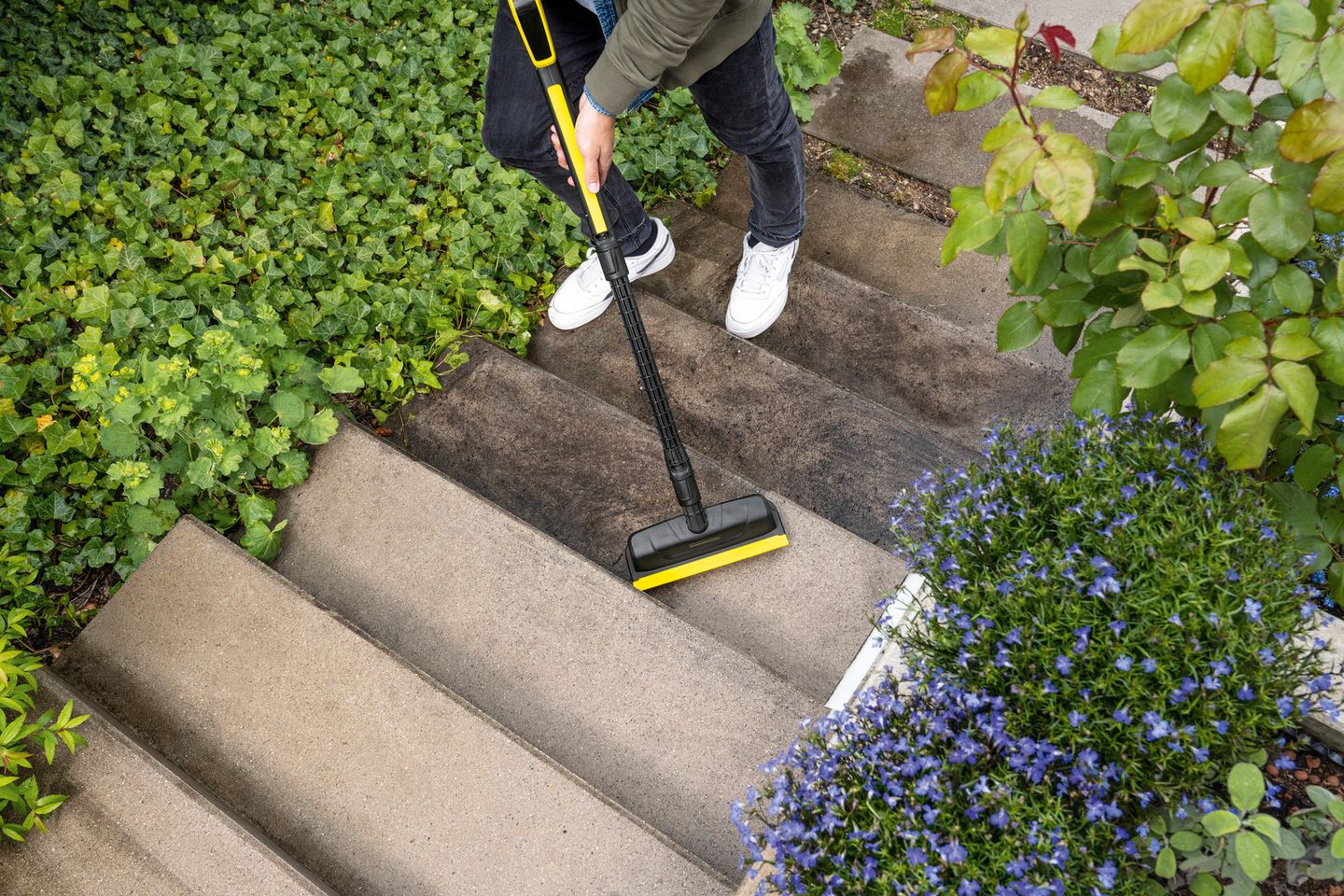
Phase 2 - Steam Cleaning (2 to 4 hrs depending on area): Work in sections, moving slowly and steadily. On paving and patios, use the appropriate attachment. On greasy surfaces or grills, hold the steam nozzle close and let the heat work. On vertical surfaces, work from the top down. Don't rush - the heat needs a second or two to penetrate.
Phase 3 - Rinse and Dry (1 hr + drying): A light rinse with clean water on outdoor surfaces removes any loosened residue. Allow surfaces to dry thoroughly - particularly important for patios where you'll be applying any sealing treatment afterwards. May sunshine dries a patio in a couple of hours.
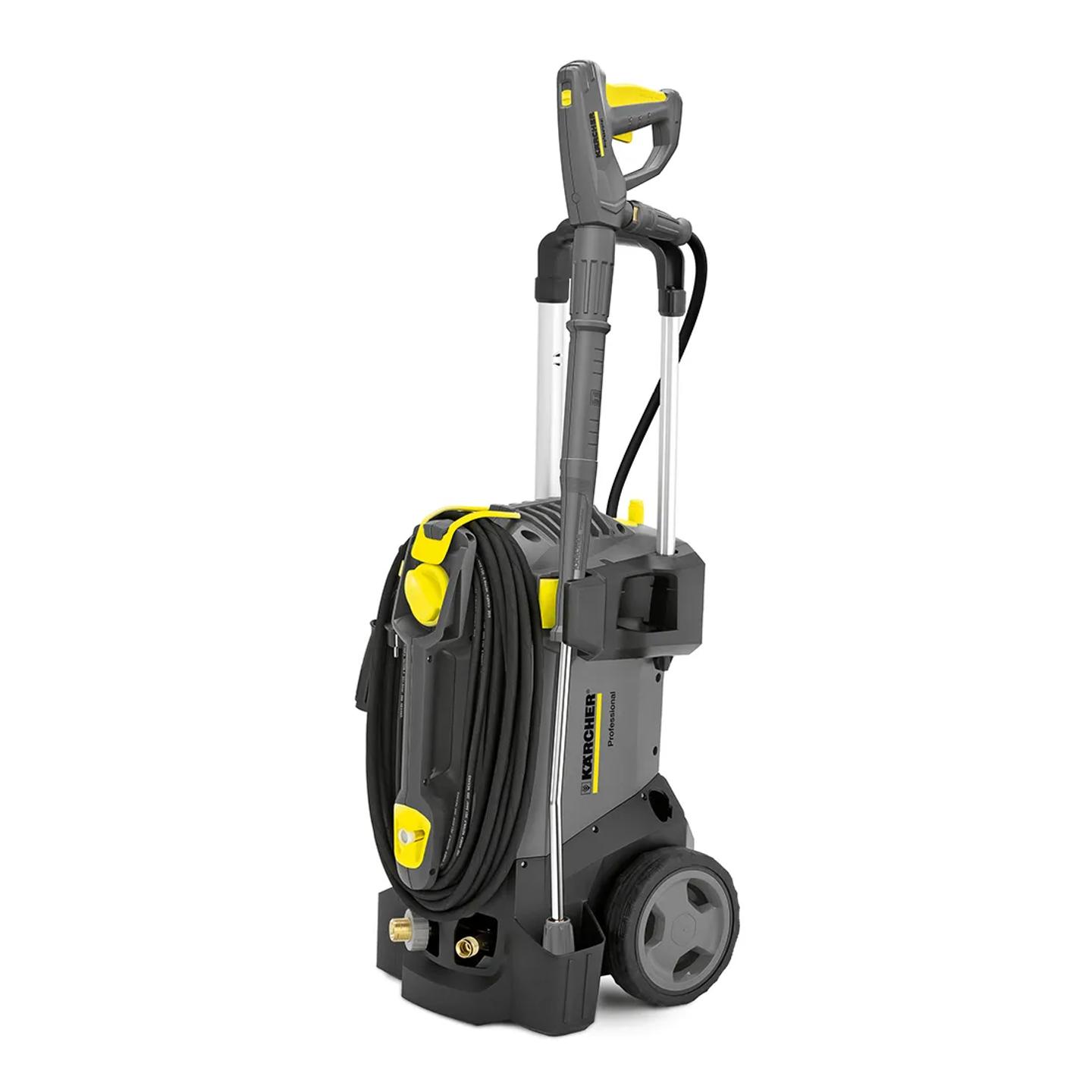
Steam Cleaner vs Pressure Washer - What's Actually Different?
Before looking at which one to hire, it helps to understand why they're not the same machine with different branding. They work on completely different principles and clean different things well.
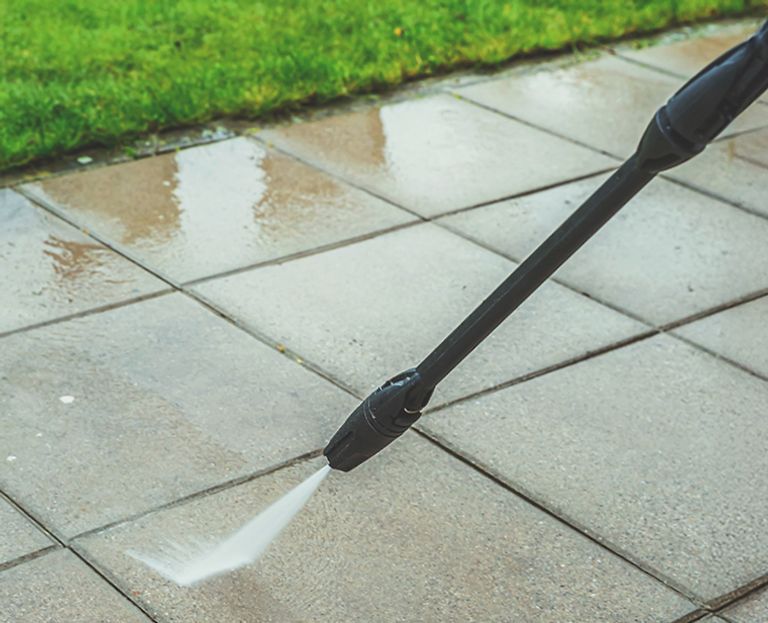
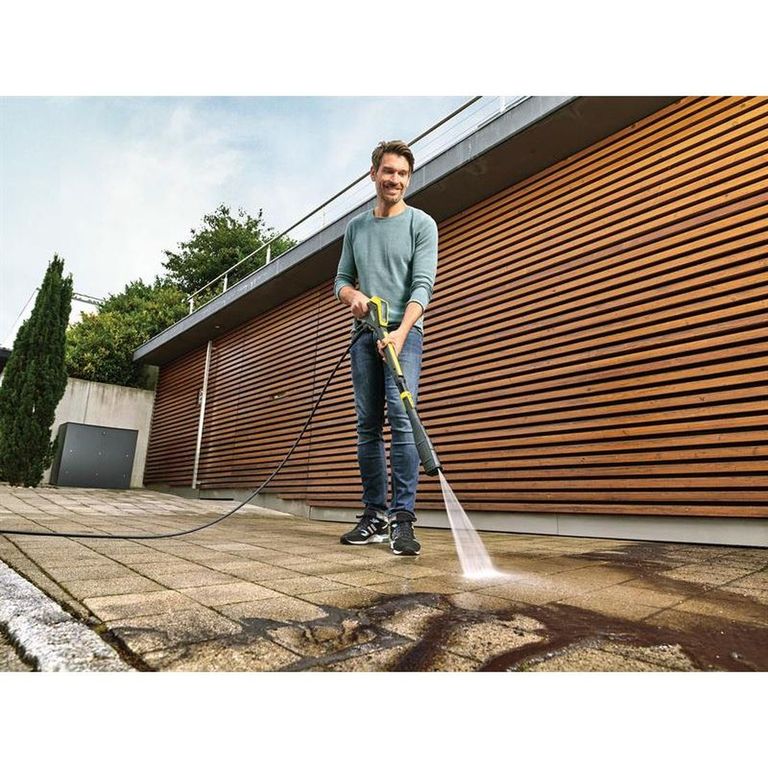
A pressure washer: uses very high-pressure cold or warm water to physically dislodge dirt from surfaces. It's fast, covers large areas quickly and is brilliant on loose soiling, mud, algae that hasn't had time to establish deeply, vehicle washing and general patio grime. It needs chemical detergent to cut through grease and oils effectively, and the high-pressure jet can damage softer surfaces or older mortar joints if used at close range.
An industrial steam cleaner: generates steam at high temperature - up to 180°C on professional models - and delivers it under pressure. The heat penetrates grease, bacteria and organic growth and breaks them down chemically rather than physically blasting them away. It uses a fraction of the water of a pressure washer, needs no chemicals (the heat does the sanitising), and is the right choice for grease, heavily established algae and moss, food residue, kitchen equipment and surfaces where high-pressure water impact would cause damage.
Which One Do You Actually Need?
The honest answer for most domestic cleaning projects is: it depends on the job. Here's the practical breakdown:
- Pressure washer only: general patio cleaning with surface algae and dirt, driveway cleaning, decking wash-down, vehicle cleaning, removing loose debris from paths and driveways. This is the right choice for roughly 70% of standard garden and driveway cleaning jobs
- Steam cleaner only: BBQ grates and housing, outdoor kitchen equipment, greasy workshop surfaces, kitchen extraction hoods, tile grout, very heavy algae or lichen that has established deeply in paving joints, sanitising food preparation surfaces, and any surface where high-pressure water impact would cause damage
- Both together: the best patio clean you'll get. Use the steam cleaner on stubborn patches, algae, stained sections and the mortar joints. Follow up with the pressure washer to clear the loosened debris quickly across the full surface. This is how professional patio cleaners approach a seriously neglected outdoor space - and it's why hiring both for the day often makes sense
The Cleaning Equipment Range at HSS DIY
Every machine below is available to hire from HSS DIY with next day delivery. Add cleaning materials and accessories in the same order.
♨️Steam Cleaners| Hire - from ~£30/day | Mid to industrial range
Best for: Patio algae and moss, BBQ cleaning, kitchen equipment, grease, sanitising, detailed surface cleaning
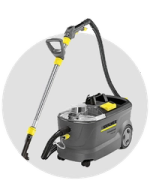
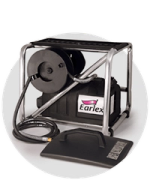
HSS DIY stocks steam cleaners from mid-range domestic models to high-pressure industrial units. For a domestic patio, outdoor kitchen or BBQ clean, the mid-range models produce excellent results. The full industrial 3-phase units (8-10 bar, 180°C) are for commercial and industrial environments. Not sure which model suits your project - contact the HSS DIY live chat team before booking.
💦Pressure Washers and Power Cleaners |Hire - from ~£35/day | Electric, petrol and diesel
Best for: Driveways, patios, paving, decking, vehicles, general outdoor surface cleaning
The full range of pressure washers from 100 bar domestic models up to professional high-pressure units. Ideal for large surface areas with general soiling. Hire one for the bulk patio work alongside a steam cleaner for the stubborn sections. Karcher 130 bar, petrol and diesel models available for different applications.
Hire Pressure Washers at HSS DIY
🏭Industrial Steam Cleaners (8-10 bar)|Hire - commercial/industrial grade
Best for: Commercial kitchens, food processing, heavy engineering, industrial grease removal
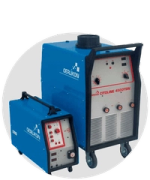
The Supervap 8 bar and Galaxy 10 bar industrial steam cleaners deliver steam at up to 180°C and are designed for food processing, printing and heavy engineering environments. These are full industrial-grade machines - they require 3-phase power supply and are beyond the requirements of most domestic projects. For commercial or industrial cleaning, these are the best industrial steam cleaners in the HSS DIY range.
Hire Industrial Steam Cleaners
Browse all cleaning equipment: hss.mom/hire/c/cleaning-floorcare|Steam Cleaners|Pressure Washers
Hire or Buy? The Straightforward Answer
For a seasonal deep clean of the patio, the BBQ and the outdoor kitchen - things you tackle properly once or twice a year - hiring an industrial steam cleaner and pressure washer is far more cost-effective than buying. The professional-grade machines available on hire produce results a domestic purchased model simply won't match.
Buying makes more sense if you use a pressure washer genuinely regularly - car washing every fortnight, frequent patio rinses, workshop cleaning. For the steam cleaner specifically, the hire calculation almost always wins unless you run a small catering business from your kitchen.
Watch Before You Start
Worth twenty minutes the evening before, particularly if this is your first steam cleaner hire.
- HSS DIY YouTube - youtube.com/@HSSDIY - Equipment guides and project content from The Home of Great Projects. Check the channel for steam cleaner and pressure washer how-to content.
- HSS DIY Blog - All You Need to Know About Steam Cleaners - HSS DIY's own guide covering types, uses and tips.
- How to clean a patio with a steam cleaner - search YouTube for UK-based content. Look for videos that cover the full process: heat-up time, attachment choice, technique on paving joints and the rinse-down afterwards. The technique matters more than the machine on this one.
- How to use a pressure washer on a patio - search 'how to use a Karcher on a patio' for a range of reliable UK content. Pay attention to nozzle distance and angle - these make a bigger difference than the pressure setting on most domestic pressure washers.
Case Study: Victorian Terrace Kitchen Extension - Cleaning the Bare Brick and Concrete
The project: A new kitchen extension had been completed but the exposed internal brick wall had years of grime, building dust and residual mortar splatter that a standard pressure washer would either not remove or would damage by soaking the wall. The patio outside had heavy algae, some oil staining from a parked motorcycle, and was coming up in patches under standard pressure washing attempts.
What was hired: Steam cleaner from HSS DIY for a weekend. Mid-range model with appropriate attachments. Pressure washer also hired alongside for the large patio area.
How it went: The steam cleaner handled the internal brick, the oil staining on the patio section near where the bike had been parked, and the kitchen extraction hood (which the builders had neglected to protect and was covered in cement dust and grease). The pressure washer handled the bulk of the patio flagstones where the problem was just algae and general soiling.
The conclusion: The two machines did genuinely different jobs. The steam cleaner was irreplaceable for the grease and the internal brick. The pressure washer was faster for the bulk surface cleaning. Using one without the other would have left the job half done.
Safety - Steam Is Hot. Respect the Machine.
A pressure washer can sting. A steam cleaner at working temperature causes burns within a fraction of a second of skin contact. This isn't a machine to take casually. Here's what matters before you switch it on:
- Burns from steam are serious: steam at working temperature (100°C to 180°C depending on model) causes immediate and severe burns on skin contact. This is not a tool to use in shorts and flip-flops. Wear long trousers, long sleeves, waterproof or heat-resistant gloves and waterproof boots. Every time
- Goggles are not optional: EN 166.B grade goggles protect against steam jet and any particulate dislodged during cleaning. The jet is under pressure - if it catches a fragment of grit or mortar, it becomes a projectile
- Never point the steam gun at anyone: including yourself. The steam is invisible for the first few centimetres before it condenses - which means you can burn yourself before you can see the jet. Keep the nozzle aimed at the surface at all times
- Indoor ventilation: steam cleaning indoors generates significant heat and moisture. Open all windows and doors before starting and keep them open throughout. Steam in a poorly ventilated room creates condensation on every surface and raises the ambient temperature significantly
- RCD protection outdoors: steam cleaners used outdoors or in damp conditions must be protected by a Residual Current Device (RCD). This is included in most hired units - confirm before use and plug through the RCD before the mains supply
- Let the machine cool before refilling or servicing: the boiler and tank retain heat for some time after switching off. Don't open the filler cap on a hot machine - the pressure release can cause scalding. Wait for the temperature to drop and release any pressure before refilling
- Test on a small area first: particularly on patio pointing, natural stone or older brick. High-temperature steam can soften older mortar joints and damage more porous surfaces. Do a small inconspicuous test before committing to the whole area
PPE - goggles, gloves and waterproof footwear - available to buy at HSS DIY alongside your hire booking.
Full safety guidance on all machine product pages at hss.mom. PPE goggles, ear defenders, gloves, boots available to buy at HSS DIY alongside your hire booking.
Project Checklist - Industrial Steam Cleaner Hire
Before you start:
- Right machine chosen: mid-range steam cleaner for domestic patio, grease and general cleaning. Full industrial 8-10 bar model only if you have 3-phase power supply and a genuinely industrial-scale job
- Attachments confirmed: patio cleaning head, detail nozzle, brush head - check the hire includes what you need for your surface type
- PPE ready: EN 166.B goggles, heat-resistant or rigger gloves, waterproof boots. Steam at 100°C+ causes serious burns on skin contact
- Surfaces assessed: steam is not suitable for painted surfaces unless the paint is industrial-grade. Test on a small hidden section before doing the full area
- Area cleared: all furniture, pots, decorations and anything you don't want hit by hot steam or overspray
- Water supply confirmed: steam cleaners need a water connection or manual top-up. Check how the hired model refills
While cleaning:
- Heat-up time observed: wait for the steam ready indicator before starting - usually 10-15 mins. Using the machine before it's up to temperature produces wet, ineffective steam
- Work in sections: do manageable areas at a time. Steam cleans best when you work slowly and methodically rather than sweeping quickly
- Never point at people or animals: steam at temperature causes burns. Establish a clear working zone
- Ventilate indoor areas: steam cleaning produces significant moisture and some vapour. Windows open, doors open
- Greasy surfaces: hold the nozzle within a few centimetres and allow the heat to penetrate before wiping or rinsing. Don't expect one pass to cut through heavy grease
Useful External Sources
HSE - Hot Work and Steam Safety: hse.gov.uk/temperature/hot-work.htm - HSE guidance on burns risk from steam and hot water in workplace and domestic environments. Relevant for understanding PPE requirements.
RHS - Patio Cleaning and Moss Control: rhs.org.uk/advice/profile?pid=407 - The Royal Horticultural Society's guidance on controlling algae, moss and lichens on hard landscaping. Includes steam vs chemical treatment comparison.
HSS DIY Blog - Steam Cleaner Guide: HSS DIY What You Need to Know About Steam Cleaners - HSS DIY's own guide to steam cleaning equipment, what each type is for and how to use them.
HSS DIY YouTube: youtube.com/@HSSDIY - Equipment guides and project content from The Home of Great Projects.
Your Patio Has Been Patient Long Enough
A pressure washer is a perfectly good tool for a quick patio refresh. But for a genuinely deep clean - one that shifts the algae properly, removes the oil staining from where the car always parks, and cleans the BBQ grate in a way that doesn't involve wire brushes and wishful thinking - a steam cleaner is the machine that actually does the job.
The good news is that hiring both from HSS DIY takes one booking, one delivery and half a day's work. The patio looks better than it has since it was laid, the BBQ is ready for the first weekend of summer, and the neighbours are left wondering when you got a professional cleaner in.
Book your steam cleaner hire and pressure washer hire at HSS DIY - online 24/7, next day delivery, and if you're not sure which models to go for, the live chat team is there to help.
Give Your Patio, BBQ or Paving the Deep Clean It Actually Needs
Hire a steam cleaner or pressure washer - or both - at hss.mom/hire/c/cleaning-floorcare - online 24/7, next day delivery available.
Buy the materials. Hire the tools. One order. All in one place.
Get DIY Happy.
Frequently Asked Questions
What is the difference between an industrial steam cleaner and a pressure washer?
A pressure washer uses high-pressure water to dislodge surface dirt physically - it's fast, effective on loose soiling and ideal for large areas like driveways and patios. An industrial steam cleaner uses high-temperature steam (up to 180°C on professional models) to penetrate and break down grease, bacteria, mould and algae chemically using heat rather than water pressure. The steam cleaner uses far less water, needs no chemicals, sanitises as it cleans, and handles greasy or contaminated surfaces that a pressure washer leaves largely untouched.
Is a steam cleaner good for patio cleaning?
Yes, particularly for patios with algae, moss, lichens or oil staining - the steam penetrates the growth and kills it at the root rather than just blasting it off the surface. On a straightforward patio with general dirt and surface soiling, a pressure washer is faster and equally effective. The ideal approach for a neglected patio is to use the steam cleaner on the algae and stained sections, then follow up with a pressure washer to clear the loosened debris. The two machines do genuinely complementary jobs.
What is the best industrial steam cleaner for domestic use?
For a domestic garden cleaning project - patio, decking, BBQ, outdoor kitchen, garden furniture - a mid-range hired steam cleaner with a patio head attachment is the right choice. The full industrial 8-10 bar 3-phase machines from HSS DIY are genuinely industrial grade - they're designed for food processing, engineering and commercial environments and require a 3-phase power supply that most domestic properties don't have. For a home project, the steam cleaner hire category at hss.mom includes models suited to domestic use at the domestic power supply. Contact the HSS DIY live chat team if you're not sure which model is appropriate for your project.
How much does it cost to hire an industrial steam cleaner?
Steam cleaner hire from HSS DIY starts from approximately £30-£50 per day for mid-range models, with larger industrial 3-phase machines at higher rates. This compares favourably with buying - a decent industrial steam cleaner for domestic use costs upwards of £200 to £600, and the professional 3-phase models cost significantly more. For a seasonal patio clean or a one-off kitchen equipment clean, hire is almost always the right call. Check live pricing and availability at hss.mom - rates vary by model and location.
Can I use a steam cleaner on a patio without a pressure washer?
Yes - a steam cleaner will clean a patio effectively on its own, particularly on algae, moss and stained sections. It takes a bit longer than a pressure washer for large flat areas because you move more slowly to let the heat work. The practical approach for most homeowners is to use whichever you have access to, or hire both for a thorough job. If you're hiring for a day, adding a pressure washer alongside the steam cleaner is usually cost-effective - the steam cleaner handles the stubborn patches, the pressure washer blasts through the rest.
Is a steam cleaner safe to use on patio pointing and brickwork?
With caution. High-temperature steam can soften older mortar joints and damage more porous natural stone if held too close for too long. Always test on a small inconspicuous area first. Keep the nozzle moving - dwelling in one spot concentrates the heat and increases the risk of damage. Newer, well-pointed patios handle steam cleaning well. Older brickwork or patios with loose or softening mortar need a gentler approach - use a lower temperature setting or a wider nozzle to distribute the heat over a larger area.
Prices shown are indicative hire and buy rates as of May 2026 and subject to change. Always check hss.mom for current pricing. HSS ProService Ltd.
Meet the people behind our Tips & Advice
From quick fixes to bigger DIY projects, get to know the people behind the guides helping you get the job done with confidence.