

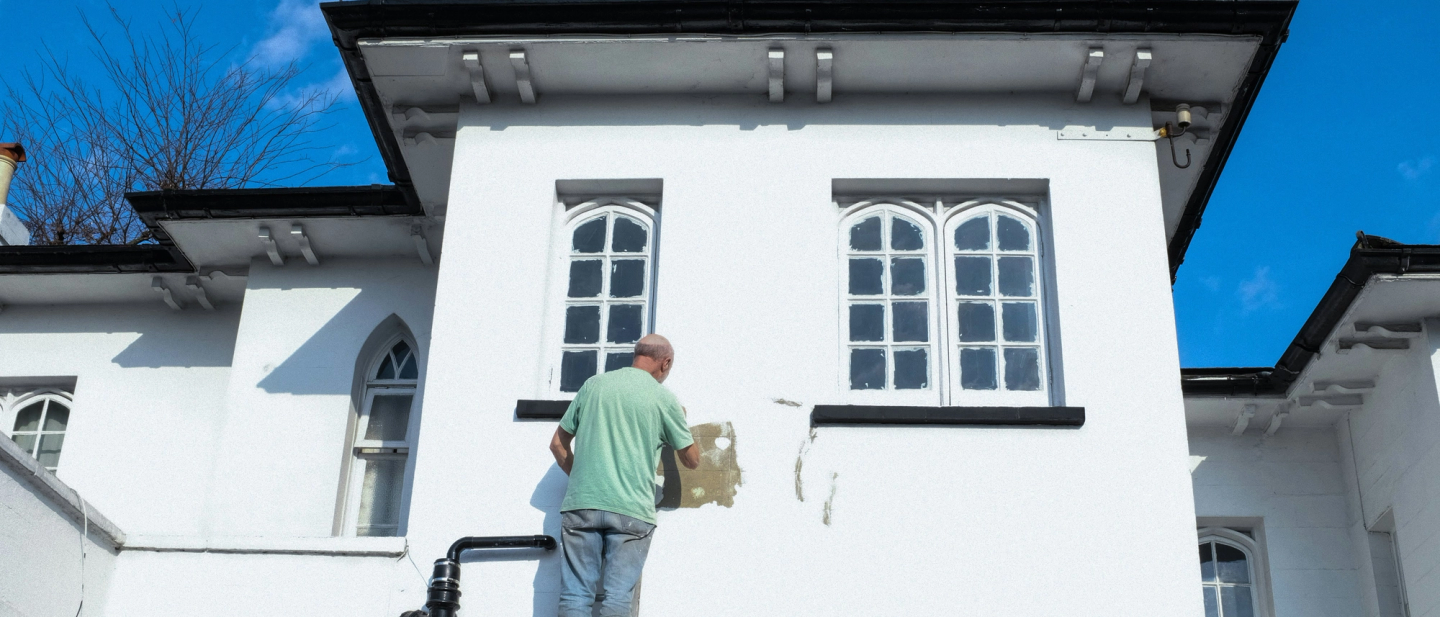
⏱ Read time: 7 min 📊 Difficulty: Beginner to intermediate 🔧 Time: 3 days 👷 Manpower: 1 person
Every year, somewhere around April and May, the question resurfaces in the nation's kitchens and conservatories: the outside of the house could really do with a repaint this year. And every year, the same mental block stops it from happening the idea that painting external walls means either booking expensive scaffolding weeks in advance, or doing something inadvisable with a ladder and a prayer.
Neither of those is the right answer. A hired MiTower scaffold tower or work platform from HSS DIY gives you safe, stable, one-person-assembled access to the exterior of your house for a fraction of the price of traditional scaffolding and it's available for next day delivery, not the four-week wait you'd get from a scaffolding contractor.
This guide covers which access equipment to hire for an exterior paint project, why it's genuinely safer and more practical than a hired scaffold or a borrowed ladder, how much it costs, and what preparation the walls actually need before a brush goes anywhere near them. At HSS DIY - The Home of Great Projects - you can hire the tower, buy the paint and order the materials in a single booking. 'Buy the materials. Hire the tools. One order. All in one place.'
Why May Is the Right Month for Exterior Painting
Exterior masonry paint and render coatings are weather-dependent. Most products require application above 5°C, in dry conditions, with no rain expected for at least 24 hours after each coat. May reliably ticks those boxes across most of the UK not too cold, not the scorching heat of late July that can cause paint to dry too fast and crack, and the long days mean a full day's painting without running out of light.
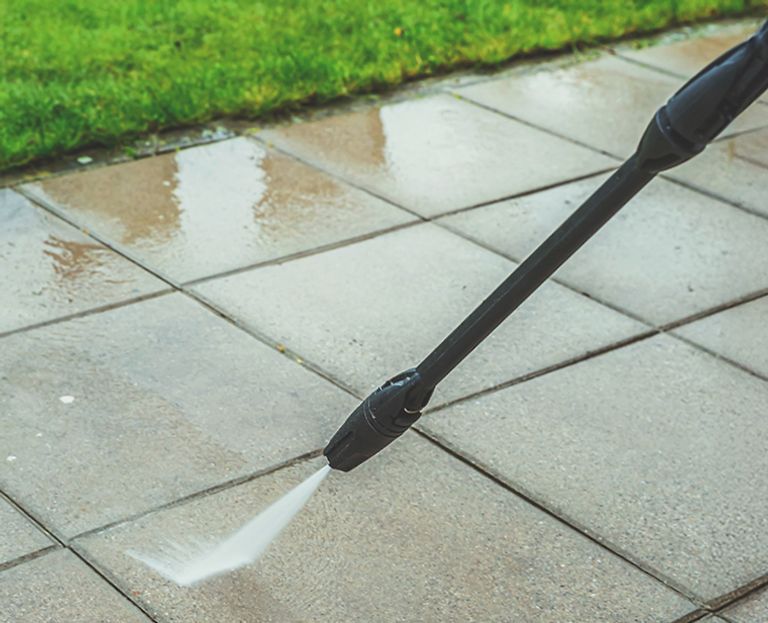
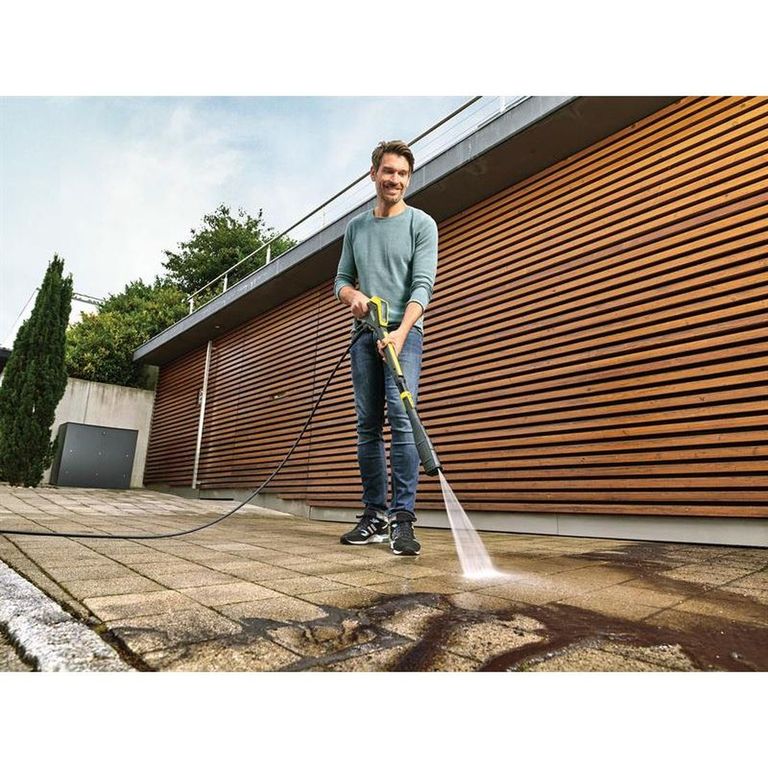
The other May advantage: the green growth that appears on north-facing render walls over winter algae, moss and general biological staining is fresh enough to clean off properly before it bakes on in summer. A jet wash or steam cleaner on the walls before painting makes a significant difference to how the paint adheres and how long it lasts.
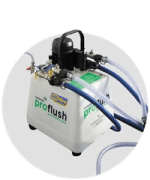
Related: Industrial Steam Cleaner Hire vs Pressure Washer What's the Difference? cleaning down external walls before painting is one of the best uses of a hired steam cleaner.
Weekend Painting Timeline What a Well-Planned Project Looks Like
Day 1 Morning - Preparation (3-4 hrs): Clean the wall surface jet wash or scrub down render and masonry to remove algae, moss and loose material. Allow to dry. Fill any cracks with exterior filler. Sand back any flaking paint. Mask windows, guttering, pipework and anything you don't want painted. Assemble the tower.
Day 1 Afternoon - Undercoat or Stabilising Primer (2-3 hrs active + drying): Apply exterior primer or stabilising solution to bare masonry, repaired patches and any previously uncoated surfaces. Allow full drying time before top coat check product instructions. Typically 4-6 hours for most exterior primers in warm weather.
Day 2 Morning - First Finish Coat (3-4 hrs): First coat of exterior masonry paint, working top to bottom and section by section. Allow the product's recommended drying time between coats usually 4-6 hours minimum in good weather.
Day 2 Afternoon - Second Coat and Finish (2-3 hrs): Second finish coat. Touch up any thin areas. Remove masking while the paint is still slightly tacky to avoid tearing. Tower returned Monday. The house looks considerably better than it did on Friday.
Why Traditional Scaffold Hire Usually Isn't the Right Answer for DIY Exterior Painting
Traditional scaffolding - the full tube-and-fitting or system scaffold - makes sense for: Major structural repairs, full house renovation programmes, any project that needs continuous access around the whole building for multiple weeks at a time.
Traditional scaffolding doesn't make sense for: A weekend exterior repaint. It requires a specialist contractor to erect and dismantle (typically 3+ people, half a day each way), takes four to six weeks to book in peak season, typically costs £600 to £2,000 for a standard house for a week's hire, requires planning permission in some conservation areas, and blocks your driveway or path for the entire period.
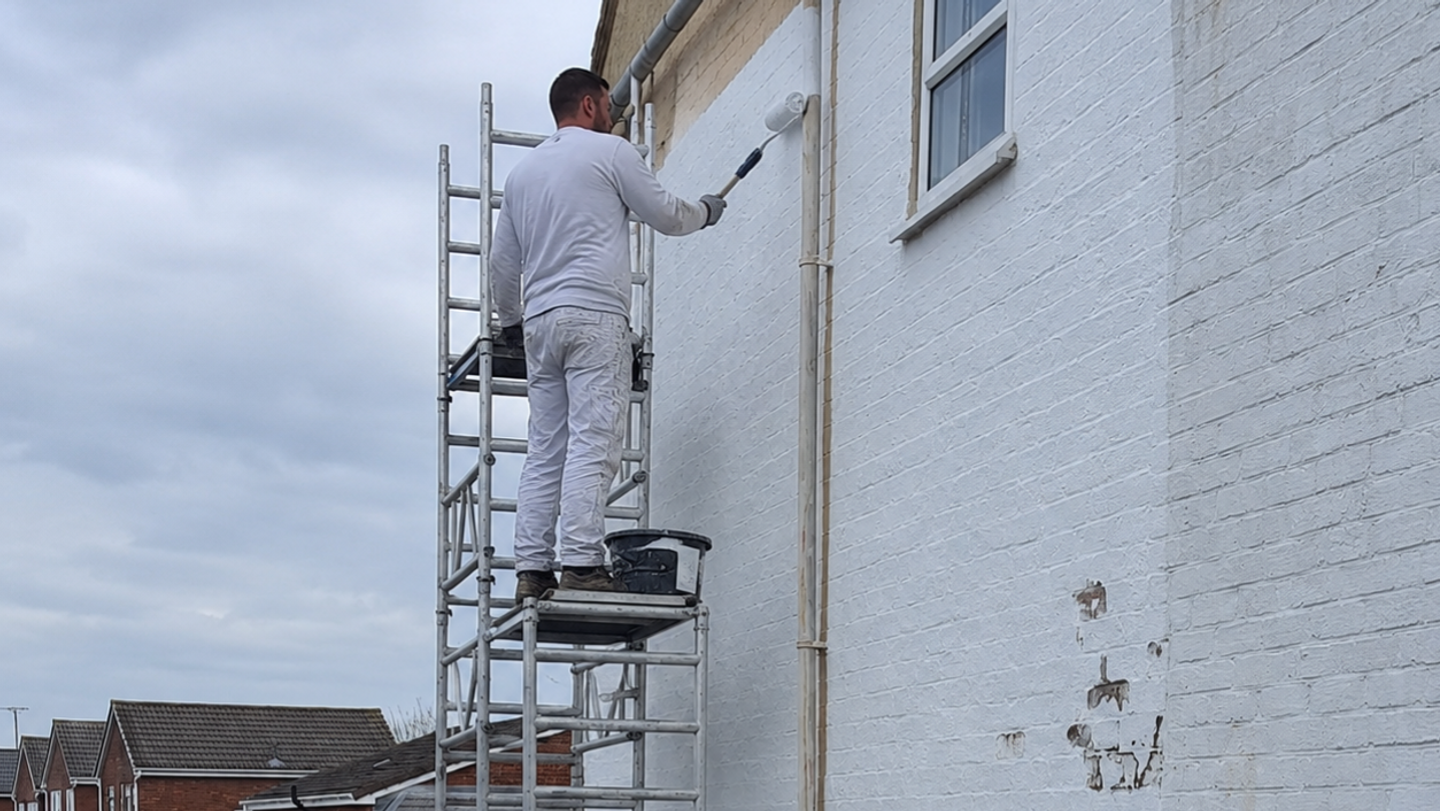
The alternative: A hired scaffold tower or work platform from HSS DIY. One person assembles it in 10-15 minutes. It moves around the building as the work progresses. It costs a fraction of traditional scaffold. And it goes back to HSS DIY when the job is done rather than sitting on your driveway for a week after the work is finished while the contractor fits you into the collection schedule.
The Access Range Book at HSS DIY
🏗️ MiTower (One-Person QuickBuild) | 4m platform | 6m working height | 10 min assembly | 1 person
Best for: Single or two-storey exterior walls, fascias, gutters, soffits one person working alone
The most practical scaffold tower for a domestic exterior paint. Assembles in 10 minutes by one person, fits into a small van or large estate car in its own transport pack, and locks into place with easy-clip frame clips and wind-lock catch on the platform. Class 3 EN1004 rated. PASMA training recommended. Moves around the building section by section as the work progresses no full perimeter setup needed.
🏗️ MiTower Plus | 2m, 3m or 4m platform | Up to 6m working height | 1-2 people | 275kg SWL
Best for: Two-storey exterior work with a second person larger platform for tools and paint
The upgraded version same quick assembly (approximately 15 minutes) but accommodates up to two people and holds 275kg safe working load. The larger platform gives proper room to manoeuvre with a paint roller, extension handle and a bucket of masonry paint without feeling like a circus act. Available in 2m, 3m and 4m platform heights to match your working height requirement.
🏗️ MiTower Stairs HirePack | 4.7m platform | 6.7m working height | Includes staircase access attachment
Best for: Full two-storey exterior work including staircase access for safe ascending and descending
The MiTower scaffold tower with the staircase attachment included. Safe access up and down rather than ladder-climbing with a roller tray in one hand. 0.728m wide footprint fits in confined spaces. Assembled by two people in under 20 minutes. The right hire when you want the full two-storey exterior done properly and safely.
🦺 BOSS Podium Pod 1500 | Up to ~1.8m working height | 1 person | Folds flat for transport
Best for: Ground-floor window frames, door surrounds, low render work, window cleaning height
For the areas that don't need the tower but still shouldn't be done off a step ladder. The BOSS Pod 1500 has a 360-degree enclosed platform, self-closing safety gate, locking wheels and stabilisers. Conforms to BS8620:2016. Folds flat, fits through a standard doorway, moves easily around the building.
📐 Delta Deck Low Level Platform | Adjustable height | Up to 200kg SWL | Quick assembly
Best for: Fascias, soffits and eaves on bungalows; uneven ground where adjustment is useful
An adjustable-height low-level work platform with guardrails on all sides. Useful where ground level varies and a fixed-height podium would be unstable. Portable, fits in a car or van, assembles quickly. Suitable for interior and exterior use.
Hire Delta Deck Low Level Platform
Full access towers and platforms range: hss.mom/hire/c/access/access-towers-platforms | All Access Equipment | Work Platforms
Hire or Buy? The Clear Answer for Most Homeowners
A MiTower scaffold tower is something you use for a week or two every couple of years for the exterior paint, the gutter clean, the fascia repair. Buying one outright (£500 to £900+) and storing it in a garage that probably doesn't have space for it is the decision very few homeowners actually make when they think it through. Hire it, use it, return it.
The comparison with traditional scaffolding is even clearer: no scaffolding contractor quoting for a standard semi-detached exterior paint is going to come in at under £600 for a week. A MiTower hire for the same project is less than a day's scaffold hire rate.
Watch Before You Assemble
The MiTower assembly video is on the product page at hss.mom worth watching the evening before the tower arrives.
- HSS DIY YouTube youtube.com/@HSSDIY Equipment guides and project content from The Home of Great Projects. Check for MiTower assembly content.
- MiTower assembly the product page at hss.mom/hire/p/p89215/mitower-4m-platform includes an assembly video and operating guide. Read both before erecting.
- PASMA safe use guidance pasma.co.uk has guidance on mobile scaffold tower use that's worth reviewing before your first hire.
Case Study: Semi-Detached Exterior Repaint MiTower Plus, Two Weekends
The project: Full exterior repaint of a 1930s semi-detached render walls, painted window frames, fascias and soffits. Previous approach had been a two-storey ladder, which produced a result best described as 'done from a distance'. The homeowner wanted a proper job this time.
Access hired: MiTower Plus (4m platform, 6m working height) from HSS DIY. Next day delivery Friday morning. First section assembled in 15 minutes before 9am, which felt mildly miraculous.
Weekend 1 - front elevation: Two people, one on the platform painting render, one on the ground preparing surfaces and managing materials. MiTower moved around the front of the property section by section. Fascias and soffits done at the same time as the render rather than separately. Full front elevation done in a day and a half.
Weekend 2 - rear and sides: Rear elevation and both sides completed. The MiTower's locking castors made repositioning much quicker than moving a ladder and re-extending it every 90 seconds.
Cost: Tower hire across both weekends: approximately £320. Paint, primer, masking tape and brushes: approximately £180. Total: £500. A professional decorator quoted £2,800 for the same job.
Safety Working at Height on a Scaffold Tower
Falls from height remain the leading cause of fatal DIY injuries in the UK each year. A scaffold tower is significantly safer than a ladder for sustained exterior work but it has its own set of rules that matter before you step onto the platform.
- Falls from height are the leading cause of DIY fatalities in the UK: this is not a dramatic statistic designed to frighten you off the project. It's a factual reason to use the right access equipment rather than a ladder propped at an optimistic angle. A platform with guardrails is safer than a ladder in almost every exterior painting scenario
- PASMA training is recommended for scaffold tower assembly: PASMA (Prefabricated Access Suppliers and Manufacturers Association) accreditation is the UK standard for mobile scaffold tower assembly. HSS Training runs PASMA courses see hsstraining.com. For domestic DIY use, reading the assembly instructions thoroughly before erecting is the minimum requirement
- Ground conditions before setup: the tower must be set up on firm, level ground. On a sloped surface, levelling jacks or outriggers are needed. Never set up on soft or uneven ground and hope for the best
- Wind limits: scaffold towers and access platforms should not be used in winds above Beaufort scale 5 (around 29mph/25 knots). Check the forecast before starting. Wind speed increases with height it can feel calm at ground level and be blowing a proper gust at 5 metres
- Guardrails and toe boards: always installed and secured before stepping onto the platform. Toe boards stop tools and paint tins from falling off the edge. This matters more than it sounds when you're 5 metres above a path
- Don't lean out over the guardrail: this applies on a scaffold tower exactly as it does on a cherry picker. Move the tower rather than stretching to reach the next section. The five minutes it takes to reposition are significantly less inconvenient than the alternative
- Never use a ladder on top of a tower platform: this is explicitly prohibited and is one of the most common causes of tower-related falls. The tower's platform height is the working height. If it's not enough, hire a taller tower
Full HSE working at height guidance: hse.gov.uk/work-at-height. PASMA training from HSS Training: hsstraining.com. Safety equipment available to buy at HSS DIY alongside your hire booking.
External Wall Painting Complete Project Checklist
Before you book:
- Working height measured: measure from the ground to the highest point you need to reach. Add 1-2m for a comfortable working position on the platform. Check the machine's working height covers this
- Access route checked: can the tower fit around the building on each side? Any narrow gates, stepped paths or sloped ground to factor in?
- Tower type chosen: MiTower (1 person, quick move) / MiTower Plus (1-2 people, larger platform) / MiTower Stairs pack (staircase/awkward angles) / Podium (low-level ground floor work)
- Paint and materials ordered: exterior masonry paint, primer, filler, masking tape, brushes, roller and extension handle all in the same HSS DIY order as the tower hire
Surface preparation:
- Wall cleaned: washed down, algae and moss treated, loose material removed. Don't paint over a dirty wall the paint will lift within a season
- Cracks filled: exterior flexible filler on any cracking in render. Allow to cure fully before painting
- Flaking paint removed: sand back and prime all bare patches before the full coat goes on
- Masking applied: windows, doors, guttering, pipework, meter boxes. Decent masking tape at the edges makes the difference between a professional finish and a bit of a mess
On the tower:
- PASMA guidance followed: PASMA courses are recommended for scaffold tower assembly read the assembly instructions at minimum before erecting. Don't skip the stabilisers
- Ground condition checked: tower set up on firm, level ground. Never on a slope without levelling feet or outriggers
- PPE on: safety helmet, work gloves, non-slip footwear. Harness for any work above 2m platform height where the tower is in an exposed position
- Wind checked: don't work on the tower in winds above Beaufort scale 5 (around 29mph). The MiTower has a wind-lock catch but it's not a licence to paint in a gale
- Guardrails secured: all guardrails and toe boards in place before stepping onto the platform. Every. Single. Time.
Full safety guidance on all machine product pages at hss.mom. PPE goggles, ear defenders, gloves, boots available to buy at HSS DIY alongside your hire booking.
Same House, Much Better Paint Job, No Scaffolding
The exterior of the house is one of those projects that keeps getting pushed back because people assume it's more complicated than it is. It isn't not with the right access equipment. A hired MiTower, a weekend of decent weather and a couple of coats of exterior masonry paint makes a difference that lasts five to ten years.
The scaffold tower makes the whole thing safer and faster than a ladder. It moves as the work moves. It comes back to HSS DIY when you're done. And the price of a weekend's hire is considerably less than the quote from the decorator who won't be available until August anyway.
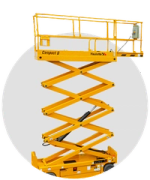
If the house is too tall for a scaffold tower: Cherry Picker vs Scissor Lift Which Powered Access Hire Is Right for Your May Project? covers the powered access options for higher exterior work.
The Weather Is Right. The House Needs Painting. Off You Go.
Hire a MiTower, MiTower Plus, podium or work platform at hss.mom/hire/c/access/access-towers-platforms online 24/7, next day delivery. Add your paint, primer and materials in the same order.
Buy the materials. Hire the tools. One order. All in one place.
Get DIY Happy.
Frequently Asked Questions
Is hiring a scaffold tower better than hiring traditional scaffolding for exterior painting?
For most domestic exterior painting projects, yes significantly. Traditional scaffolding requires a specialist contractor to erect and dismantle it, typically takes a week to erect, is expensive (£600 to £2,000 or more per week for a typical house), and is immovable once up. A hired MiTower can be assembled by one person in 10 minutes, repositioned as needed, costs a fraction of the price, and goes back to HSS DIY when the job is done. Traditional scaffolding makes sense for major structural work or very tall buildings for a weekend exterior paint, hire a tower.
What working height do I need to paint a two-storey house exterior?
A standard UK two-storey house has an eaves height of approximately 5 to 6 metres. The MiTower and MiTower Plus both offer a 6m working height (4m platform), which covers the majority of two-storey exterior work comfortably. For gable ends, dormer windows or rooflines higher than 6m working height, the MiTower Stairs pack at 6.7m working height extends the reach slightly, or a scissor lift or cherry picker from the HSS DIY powered access range would be the next step up.
Do I need PASMA training to hire a MiTower?
For domestic private use, PASMA certification is not a legal requirement. HSS DIY advises PASMA training before hiring a scaffold tower, and it's strongly recommended. PASMA courses cover safe assembly, inspection and use of mobile scaffold towers the kind of knowledge that prevents the errors that cause falls. HSS Training at hsstraining.com runs PASMA courses that are genuinely worth completing before using any scaffold tower for the first time. The MiTower also comes with an assembly video and safety instructions.
Can I use a MiTower on uneven ground?
The MiTower has easy-lock stabilisers and is designed for reasonably firm, level ground. On slightly uneven surfaces, adjustable leg extensions help compensate for minor variations. On significantly sloped ground a hillside garden, a steeply sloped driveway additional levelling equipment or a different access solution may be needed. Contact the HSS DIY live chat team to discuss your specific site before booking if ground conditions are a concern.
How long does it take to assemble a MiTower?
The standard MiTower assembles in approximately 10 minutes by one person. The MiTower Plus takes around 15 minutes and can accommodate two people inside. The MiTower Stairs hire pack takes around 20 minutes for two people. All come with assembly instructions and there is a video guide on the product page at hss.mom. The quick assembly is one of the main practical advantages over a traditional scaffold you can move it to the next section of wall in under 15 minutes rather than waiting for a scaffold crew.
What paint should I use for external walls?
For brick and render, use a dedicated exterior masonry paint with a breathable, weatherproof formulation brands like Dulux Weathershield, Sandtex or Johnstone's Stormshield are commonly used for UK domestic exterior work. Apply a stabilising primer first on any chalky, powdery or previously bare surfaces. For painted timber (window frames, fascias, soffits), use an exterior wood paint or microporous paint that allows moisture to escape without flaking. The HSE's guidance on lead paint is worth checking if your property was built before 1960 some older exterior paints contain lead and require specific handling.
Prices shown are indicative hire and buy rates as of May 2026 and subject to change. Always check hss.mom for current pricing. HSS ProService Ltd.
Useful External Sources
HSE - Hot Work and Steam Safety: hse.gov.uk/temperature/hot-work.htm - HSE guidance on burns risk from steam and hot water in workplace and domestic environments. Relevant for understanding PPE requirements.
RHS - Patio Cleaning and Moss Control: rhs.org.uk/advice/profile?pid=407 - The Royal Horticultural Society's guidance on controlling algae, moss and lichens on hard landscaping. Includes steam vs chemical treatment comparison.
HSS DIY Blog - Steam Cleaner Guide: HSS DIY What You Need to Know About Steam Cleaners - HSS DIY's own guide to steam cleaning equipment, what each type is for and how to use them.
HSS DIY YouTube: youtube.com/@HSSDIY - Equipment guides and project content from The Home of Great Projects.
Meet the people behind our Tips & Advice
From quick fixes to bigger DIY projects, get to know the people behind the guides helping you get the job done with confidence.